
When it comes to luxury construction, construction risk assessments aren’t just a regulatory box to check — they’re a critical part of ensuring your new dream home is flawless. Without construction risk assessments, you’re less likely to enjoy a new construction project built to the highest standards of safety, precision, and craftsmanship.
At Scordio Construction, Inc., based here in New York, we’ve spent decades refining our approach to construction risk assessment so that both our architect partners and clients feel confident at every stage of their project.
If you’re thinking of partnering with a luxury construction firm or looking for a luxury construction firm that mitigates risk for your new dream home, you’ve come to the right place.
In this article, we’ll discuss what construction risk assessments include for luxury construction projects, including:
- The 4 steps involved in construction risk assessments for custom home renovations and builds
- What a luxury construction risk assessment is
- Different types of construction risk assessments
- When a construction risk assessment should be conducted
- Common risk factors involved with luxury construction projects and how to mitigate them
- What we do at Scordio Construction, Inc. to help ensure a seamless, safe, and accident-free build
The 4 steps of luxury construction risk assessments
| 1. Identify potential hazards on a construction site related to environmental and structural issues 2. Assess any risks present that could impact the timeline or quality of the project 3. Determine actions you can take to reduce or minimize hazards before construction begins 4. Correct potential issues as they come up, and adjust as needed. |
What is a luxury construction risk assessment?

A luxury construction risk assessment is a structured process for identifying potential hazards and ensuring compliance with safety standards, timelines, and budget expectations.
Our builders and contractors at Scordio Construction, Inc. conduct assessments to:
- Protect workers from injuries and accidents
- Maintain smooth project execution without unnecessary delays
- Safeguard the integrity of our premium materials and finishes
- Ensure compliance with environmental and city regulatory committees like the Landmarks Preservation Commission (LPC) for property preservation projects
- Provide you, our clients, and partners, with peace of mind.
How exactly do we ensure these goals? During a risk assessment in construction, we ask questions such as:
- What workplace hazards are likely to occur?
- How can we manage safety risks without compromising design or timelines for building?
- Do environmental risks or compliance concerns exist? If so, what can we do to eliminate or reduce their impact?
- What tools or methods should we implement to minimize exposure?
By asking key questions and using tried and true methods to reduce risk, we ensure each luxury construction build flows from design to delivery on time and on budget.
What types of luxury construction risk assessments and tools exist?

Construction risk assessments come in many s hapes and forms. But, overall risk management assessments fall into the following three categories:
- Baseline risk assessments
- Continuous risk assessments
- Issues-based risk assessments
Depending on the stage of the construction project, we might dabble in a little bit of each. Let’s describe each in greater detail in the sections below.
1. Baseline risk assessments
Performed at the start of the project to identify obvious risks and create a roadmap for safety and management, baseline risk assessments are great for pre-construction purposes. With baseline risk assessments, our goal is to help identify risks, rank the liabilities associated with the risks, and decide whether our systems will manage said risks.
In other words, baseline risk assessments tend to be broad in focus. They look at dangers and hazards that can pop up throughout a construction project. They’re very helpful for gaining a high-level overview of and assessing the risks associated with the construction project
2. Continuous risk assessments (based on time)
Continuous risk assessments are performed at regular intervals instead of on a per-issue basis. They involve looking at hazards, reminding employees to stay alert, and reporting issues on the job site.
What’s more, many continuous risk assessments also involve checklists before work can begin for the day or before using a key piece of equipment. For example, a continuous risk assessment might involve an inspection of potential risks involved with a certain activity on the job site.
In our work as luxury builders, since luxury builds also involve evolving design elements, continuous evaluation is critical to our operations and procedures. Through continuous risk assessments, we’re able to prevent exposure to hazardous materials and prioritize the safety of our team and the construction framework, all while delivering a premium finished product.
3. Issues-based risk assessments
We like issues-based risk assessments. They allow us to focus on environmental risks, workplace safety risks, and structural complexity.
Issues-based risk assessments focus on the details versus the larger picture. For example, an issues-based risk assessment might address one-off activities or tasks rather than conducting assessments at pre-determined times to address potential risks throughout the building and construction process.
You’ll often find this type of assessment is conducted after a baseline risk assessment to measure, evaluate, and review potential risks associated with key activities involved in the luxury construction process.
As part of our commitment to our clients and partners, we uphold some of the most detailed and thorough checks for workplace safety in the luxury construction industry. Our builders and contractors are trained in the highest safety standards and quality assurance processes in the industry.
We like our operation that way, because fewer issues crop up, and you can enjoy a more beautiful finished product.
Speaking of issues, at this point in our journey on risk assessments, you might be wondering when you’re supposed to conduct a construction risk assessment. Let’s take a look.
When should construction risk management be conducted?

A risk assessment for construction should be conducted at any of the following moments before, during, and after the construction process:
- Before breaking ground on a site
- When new risks are identified
- In moments when significant design changes are made
- After completing the project, especially during the service and maintenance portion of the luxury build
By assessing the probability of risks occurring, we’re able to identify new risks and eliminate and/or mitigate them to ensure a more durable project and the safety of our team. It’s a win-win for everyone.
4 Parts of luxury construction project risk assessments

Construction risk assessments include four main parts:
- Identifying potential obstacles and hazards
- Assessing the level of risk of the obstacles present
- Analyzing the situation and determining actions to mitigate said risks
- Taking action to reduce or eliminate the hazards
One way to identify potential obstacles and hazards can be through referring to accident reports from past projects, accounting for people present at the construction site, being mindful of inclement weather, and examining the equipment’s safety features to ensure they’re operating as intended.
To assess the level of risk of obstacles present, we review operators’ manuals for equipment, safety data sheets, and key health concerns at each job site.
For example, we adjust when our team works to avoid extreme weather and to ensure a more timely project completion.
Finally, we provide our team with the tools needed to eliminate and minimize risks so we can deliver a more polished and beautiful finished product. Nevertheless, we continue to monitor potential risks to ensure no potential hazards arise.
By enacting detailed risk mitigation processes, we’re able to minimize liability and maximize the form and function of each of our custom luxury projects.
Common risk factors involved with luxury construction
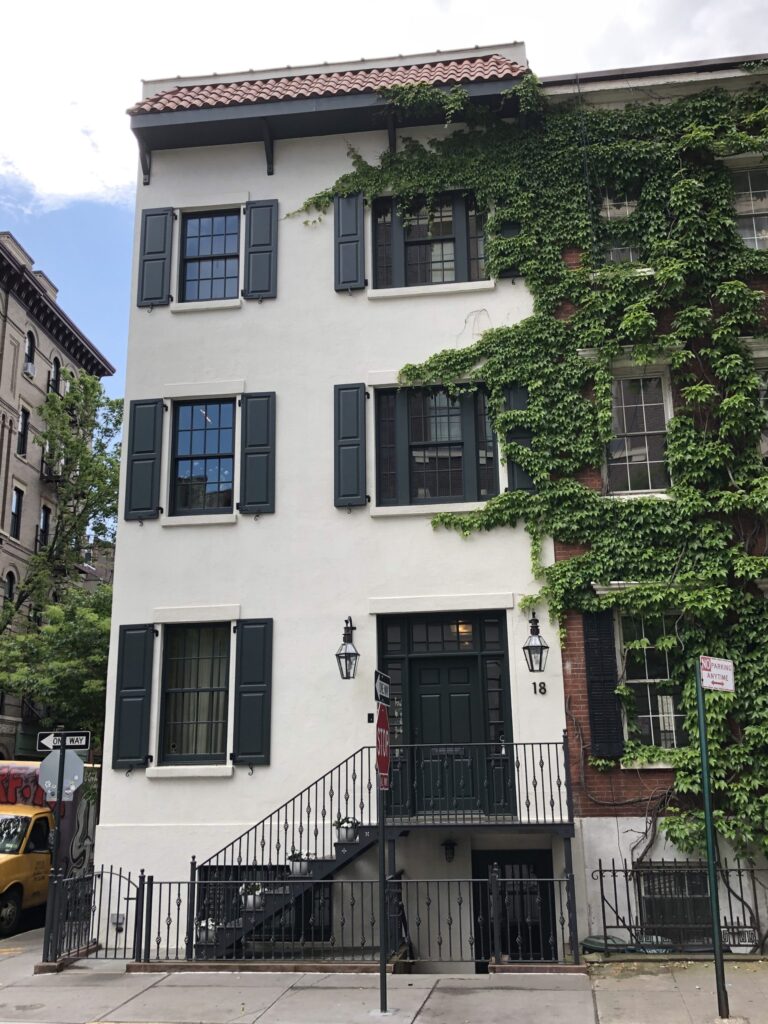
In the construction industry, luxury projects carry their own unique set of challenges. When dealing with artisan materials and custom aesthetics, keeping a toolbelt of mitigation strategies on hand is key.
As such, the likelihood of accidents occurring on the construction site is among the highest of any industry in the private industry sector, according to the Bureau of Labor Statistics (BLS.gov, 2023). Since the likelihood of risk is higher, we’re much more vigilant for common risk factors that can arise.
Common risk factors in the construction industry include:
- Environmental risks: Underground conditions, weather, and zoning issues can make construction a challenge, especially in our urban New York environment.
- Safety risks: Falls, equipment malfunctions, and workplace accidents are worth keeping in mind.
- Risks related to a project’s complexity: Custom architectural features can create unexpected issues for builders and designers.
- Delays and overruns: Delays and overruns can occur due to supply chain and transportation issues.
For more than 40 years, we’ve been navigating these risks like clockwork. Using comprehensive planning, dynamic project management, and a proactive approach to identifying risks early in the construction process, we’re able to keep a project on time, on budget, and most importantly, injury-free.
Let’s take a look at a few safety precautions we take during the construction and maintenance process.
Safety precautions and mitigation strategies to take during maintenance work

After a luxury home is built, the severity of safety risks often drops, as construction is complete. With that being said, our team recognizes the importance of auditing our processes during the maintenance portion, post-build.
Steps we take to mitigate harm and the severity of many common safety risks include:
- Conducting regular inspections of equipment and systems
- Using personal protective equipment (PPE) and gear during repairs
- Reviewing safety compliance for subcontractors.
- Documenting any hypothetical risks that can arise for future builds
- Auditing our processes to create a safer work environment for the next build
Part of the reason we’ve been in business building custom luxury homes for the last 40+ years is because we recognize the importance of creating a safe environment guided by proper risk management protocols. It’s part and parcel what differentiates a custom home builder from a custom luxury home builder.
The Scordio Scoop: Spotlight on construction risk assessments
What goes into a build? More than wood and nails.
A piece of luxury construction requires vision, coordination, effective risk management, the latest building technology and software, and superb craftsmanship at every step of the process.
Here’s a peek behind the walls into the heart of our process.
What to expect from your builder with construction risk assessments
Now that we’ve outlined what’s involved in construction risk assessment, you’ll want to know what to expect from your builder. You should never expect anything less than superb quality from your luxury home builder.
Your home builder should outline the materials, procedures, timeline, and budgetary constraints involved with each part of the build. What’s more, your builder should aid you with any questions you might have.
And most importantly, your building team should have an ironclad plan, complete with strategies to mitigate potential hazards on the job.
That’s how we operate at Scordio Construction, Inc.
Our mission has always been to combine top-quality craftsmanship with safety. Since 1983, we’ve been building New York skyline luxury homes and apartments for every style and need.
Part of the reason we’ve been New York’s go-to premier luxury construction firm for the last four-plus decades is because we handle construction risk assessment with the utmost care.
Our approach to risk management is simple: protect all stakeholders, preserve your investment, and provide a beautiful and valuable home that stands the test of time..
Architects and prospective homeowners: whether you’re planning a luxury construction project or need a partner for a future project, we’d be honored to guide you through a safe, seamless, and inspiring journey.
We invite you to contact us today about partnering with us. We look forward to building your dreams.
Scordio Construction, Inc.: Building Timeless Luxury Homes for More than 40+ Years

- What Makes a Door Fire-Rated in Home Construction (NYC Edition)? - December 31, 2025
- What’s a Change Order in Construction (Key Information to Know)? - November 6, 2025
- 16 Luxury Kitchen Remodel Ideas for Your Dream Home - October 3, 2025